
Patient-reported outcomes (PROs) are collected through questionnaires that ask about symptoms, daily activities, and overall well-being. These questionnaires are easy to complete and provide meaningful information for you, your care team, and researchers.
Before You Begin
It may help to know why you are being asked to complete a PRO questionnaire and how the information will be used. In routine clinical care, this may not always be explained clearly. It is okay if you are unsure why you are being asked to complete a PRO questionnaire or how the information will be used, and you can always ask your care team.
In research studies, you will be required to sign a consent form that will provide information about the purpose of the study and how often you will be asked to complete PRO questionnaires. If you have questions about why the PROs are being collected and how your responses will be used, you should ask the research team for more information.
How You Complete PROs
You will usually answer short questions that ask about your symptoms (for example, pain, fatigue) and your function (for example, ability to climb stairs or walk a mile). PROs are usually completed on a computer in the clinic or from home, although sometimes they are collected on paper or over the telephone. If you are asked to complete the questionnaires at home, you may receive email or text reminders so you do not miss a questionnaire.
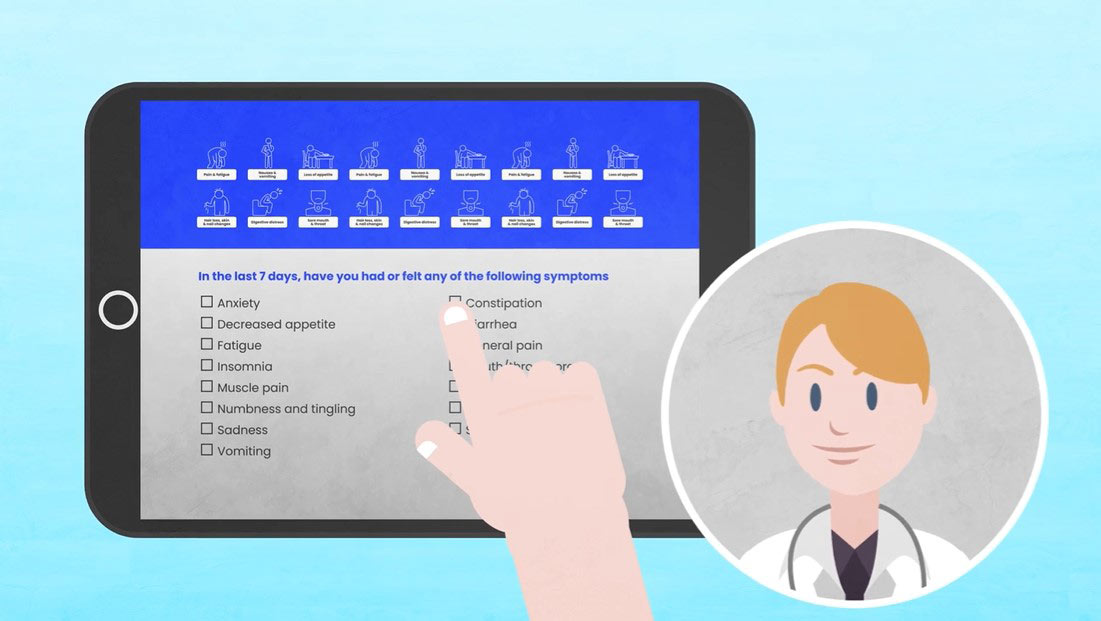
This video explains how PRO systems monitor your symptoms from home, sometimes called remote symptom monitoring. To watch it, click here.
Many PRO questionnaires are designed to be easy to use for people with different abilities and needs. Many questionnaires are offered in multiple languages. They may also include tools or features to help you complete them, such as screen readers, voice‑activated systems, or screen magnifiers that adjust font size and color contrast. If you have trouble filling out PROs, tell your care team so you can work together to find options that would be helpful for you.
What Happens After You Complete PROs
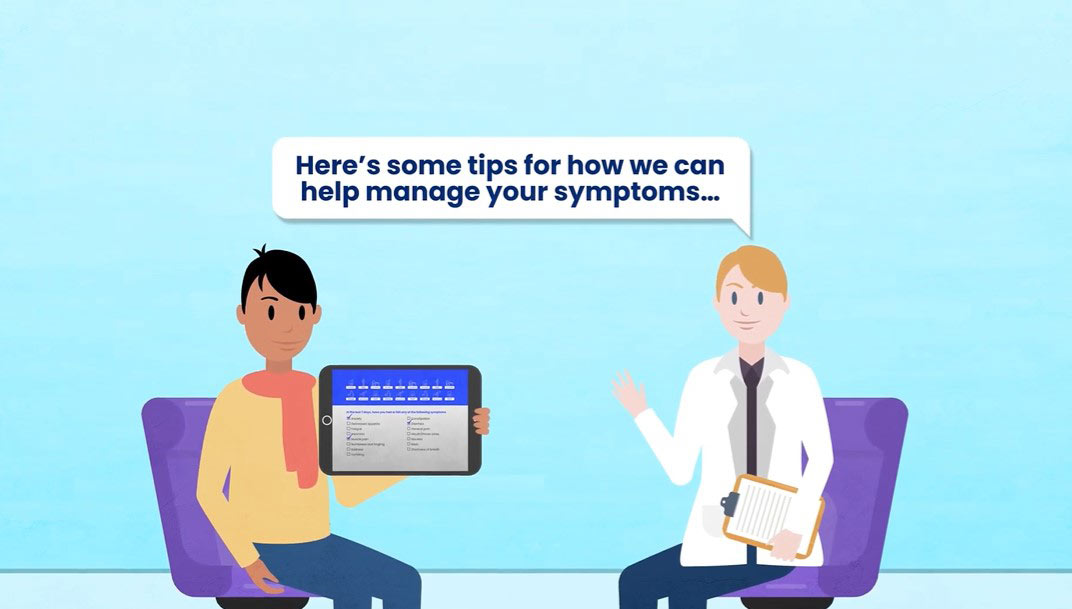
If you complete PROs as part of routine clinical care, your care team reviews your responses and looks for any problems you may be experiencing or changes in how you’re feeling. They may discuss your scores with you during your visit, at your next visit, or reach out sooner if something needs attention.
You can ask to review your PRO results and use them to guide conversations about symptoms, side effects, or daily challenges that matter to you. You can also bring up questions or concerns based on your PRO information, especially if something important has not been discussed. By helping your care team better understand how you are doing, PROs help guide decisions about your care.
In research studies, your care team probably will not see your questionnaire responses. Instead, your responses are combined with those from other study participants and examined by the research team. The information helps researchers understand the impact of the different treatments from the patient’s perspective.